Welcome to our article on the benefits of ERP software in UAE businesses! In today’s fast-paced world, companies need efficient tools to streamline their operations and stay competitive. Enterprise Resource Planning (ERP) software is a powerful solution that can help businesses in the UAE improve productivity, reduce costs, and make informed decisions. From automating processes to providing real-time data insights, ERP software offers a range of advantages that can take your business to the next level.
ERP Software Market in the UAE
ERP software market in the UAE is experiencing significant growth and development due to the increasing adoption of technology in businesses across various industries. The UAE is a hub for multinational corporations and small to medium enterprises, all of which are looking to streamline their operations and improve efficiency through the use of ERP software. This has led to a rise in demand for ERP solutions that can cater to the unique requirements of businesses in the region.
The UAE has a diverse economy with sectors such as oil and gas, construction, retail, healthcare, and hospitality playing a significant role. Each of these sectors has its own specific needs and challenges when it comes to managing operations, finances, and resources. ERP software providers in the UAE have tailored their solutions to meet these industry-specific requirements, offering customizable modules and features that cater to the unique needs of each sector.
One of the key drivers of the ERP software market in the UAE is the government’s push towards digital transformation and automation. The UAE government has been actively promoting the adoption of technology in businesses through initiatives such as the UAE Vision 2021 and the Dubai Smart City project. This has created a favorable environment for ERP software vendors to introduce innovative solutions that can help businesses improve their competitiveness and efficiency.
In terms of market share, international ERP software vendors such as SAP, Oracle, and Microsoft dominate the market in the UAE. These vendors have a strong presence in the region and offer a wide range of ERP solutions that cater to businesses of all sizes. However, there is also a growing trend towards the adoption of cloud-based ERP solutions offered by local vendors, who are able to provide customized solutions at a lower cost.
The market for ERP software in the UAE is expected to continue growing in the coming years as more businesses realize the benefits of implementing ERP systems. With the increasing focus on digital transformation and automation, businesses are looking for solutions that can help them streamline their operations, improve decision-making, and drive growth. As a result, ERP software vendors in the UAE are constantly innovating and updating their solutions to meet the changing needs of businesses in the region.
Key Features of ERP Systems in the UAE
ERP software systems in the UAE come with a variety of key features that make them essential for businesses of all sizes. These features are designed to streamline operations, improve efficiency, and provide better insights into the business’s performance. Here are some of the key features that businesses in the UAE can expect from their ERP systems:
1. Integrated System: One of the most important features of ERP systems is their ability to integrate all aspects of a business. This means that all departments – from finance and accounting to sales and marketing – can access the same information in real-time. This integration eliminates the need for separate systems and manual data entry, saving time and reducing errors. In the UAE, where many businesses operate on a global scale, having an integrated system is essential for staying competitive in the market.
2. Customization Options: ERP systems in the UAE offer a high level of customization to meet the unique needs of each business. This means that companies can tailor the software to their specific requirements, whether it’s adding new modules, creating custom reports, or integrating third-party applications. By customizing their ERP system, businesses can ensure that they are getting the most value out of their investment and are able to adapt to changing business environments quickly and efficiently.
3. Scalability: As businesses in the UAE grow and expand, their ERP system needs to be able to grow with them. ERP systems in the UAE are built to be scalable, meaning that they can accommodate an increasing number of users, transactions, and data without sacrificing performance. This scalability is essential for businesses in the UAE, where rapid growth is common, and being able to scale up their operations without disrupting their business processes is crucial.
4. Mobile Access: With the rise of mobile technology, businesses in the UAE are looking for ERP systems that provide mobile access to their data and processes. ERP systems in the UAE offer mobile capabilities, allowing employees to access critical business information from anywhere at any time. This mobile access enables employees to collaborate more effectively, make decisions on the go, and stay productive even when they are away from the office.
5. Advanced Analytics: Another key feature of ERP systems in the UAE is advanced analytics capabilities. These capabilities allow businesses to analyze their data in real-time, identify trends, and make informed decisions based on data-driven insights. With advanced analytics, businesses in the UAE can improve their forecasting, optimize their operations, and gain a competitive edge in the market.
In conclusion, ERP systems in the UAE offer a range of key features that are essential for businesses looking to streamline their operations, improve efficiency, and drive growth. From integrated systems and customization options to scalability, mobile access, and advanced analytics, ERP systems in the UAE are designed to meet the unique needs of businesses in the region and help them succeed in today’s competitive market.
Benefits of Implementing ERP Software in the UAE
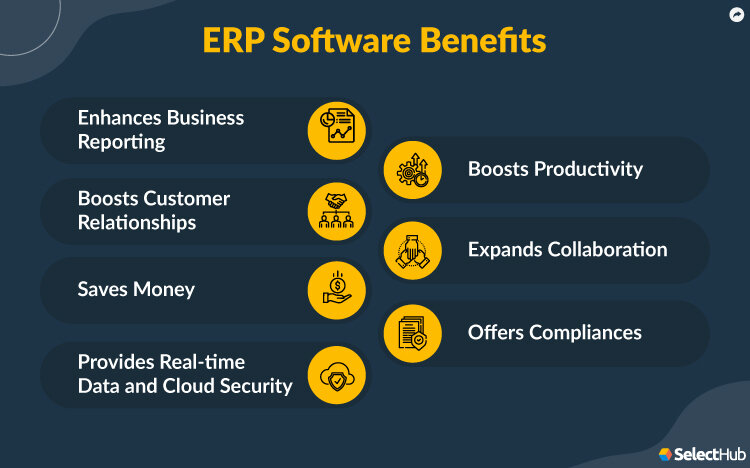
ERP (Enterprise Resource Planning) software is a valuable tool for businesses in the UAE to streamline their operations and improve efficiency. There are many benefits to implementing ERP software in this region, including:
1. Improved Efficiency: One of the primary benefits of ERP software is the ability to automate processes and eliminate manual data entry. This leads to increased efficiency, as tasks can be completed more quickly and accurately. In the UAE, where businesses often face tight deadlines and high competition, improving efficiency through ERP software can give companies a competitive edge.
2. Better Decision-Making: ERP software provides real-time data and insights into various aspects of the business, such as sales, inventory, and financials. This information enables business owners and managers in the UAE to make informed decisions quickly, leading to better outcomes. With ERP software, businesses can analyze trends, track performance, and identify areas for improvement, all of which contribute to smarter decision-making.
3. Enhanced Collaboration: Another significant benefit of implementing ERP software in the UAE is the improvement in collaboration among different departments and teams within a company. ERP systems centralize data and communication, making it easier for employees to work together towards common goals. With access to shared information, teams in different locations or functions can collaborate more effectively, leading to better coordination and faster problem-solving.
Moreover, ERP software allows for better communication between employees and departments, as everyone has access to the same up-to-date information. This reduces the chances of miscommunication or misunderstandings, leading to smoother workflows and improved productivity.
4. Cost Savings: Implementing ERP software in the UAE can result in significant cost savings for businesses. By automating processes, reducing manual errors, and improving efficiency, companies can eliminate unnecessary expenses and optimize resource allocation. ERP software also allows businesses to better track their finances, inventory, and other resources, leading to more informed budgeting and spending decisions.
5. Compliance and Security: In the UAE, businesses must comply with various regulations and standards to operate legally. ERP software can help companies ensure compliance by centralizing data, automating reporting, and providing audit trails. Additionally, ERP systems offer robust security features to protect sensitive business data from cyber threats and unauthorized access. This is especially important in the UAE, where data privacy and security are top priorities for businesses and customers alike.
In conclusion, implementing ERP software in the UAE offers numerous benefits for businesses looking to improve efficiency, decision-making, collaboration, cost savings, and compliance. By leveraging the power of ERP systems, companies in the UAE can gain a competitive edge in the fast-paced and dynamic business environment of the region.
Challenges and Solutions for ERP Implementation in the UAE
Implementing an ERP system in the UAE can present various challenges, as it involves integrating complex software with existing business processes. One of the main challenges faced by companies in the UAE is the high cost associated with ERP implementation. The initial investment required for purchasing the software, training employees, and customizing the system to fit the organization’s specific needs can be significant. This can be particularly daunting for small and medium-sized enterprises that may have limited financial resources.
Another challenge that organizations in the UAE may encounter during ERP implementation is resistance from employees. Some employees may be resistant to change and may be reluctant to adopt new technologies. This can lead to a lack of engagement with the new system, which can ultimately hinder its successful implementation. In order to overcome this challenge, companies can involve employees in the implementation process from the beginning, provide comprehensive training, and communicate the benefits of the ERP system effectively.
Additionally, cultural differences in the UAE can pose a challenge during ERP implementation. The UAE is a multicultural country with diverse workforce, which can result in communication barriers and misunderstandings. Companies need to take into consideration cultural differences and adapt their implementation strategy accordingly. Building a culturally diverse implementation team and providing cross-cultural training can help mitigate this challenge.
Furthermore, data security and privacy concerns are another significant challenge for organizations in the UAE when implementing an ERP system. With the increasing threat of cyber-attacks and data breaches, companies need to ensure that their sensitive business data is kept secure and complies with local regulations. Implementing robust data encryption protocols, access controls, and regular security audits can help address these concerns and ensure the protection of sensitive information.
In order to successfully overcome the challenges of ERP implementation in the UAE, organizations can adopt various solutions. Engaging with an experienced ERP vendor who understands the local market and regulatory environment can help companies navigate the complexities of implementation. Conducting thorough research and analysis before selecting an ERP system, and ensuring that it aligns with the organization’s goals and requirements can also contribute to a smoother implementation process.
Moreover, creating a detailed implementation plan with clear milestones, roles, and responsibilities can help companies stay on track and monitor progress. Regular communication with stakeholders, including employees, vendors, and management, is essential to ensure that everyone is on the same page and any issues are addressed promptly. By proactively identifying and addressing potential challenges, and implementing effective solutions, organizations in the UAE can successfully implement ERP systems and reap the benefits of improved efficiency, productivity, and competitiveness.
Future Trends of ERP Software in the UAE
Enterprise Resource Planning (ERP) software has been rapidly evolving in the UAE, keeping up with the latest technological advancements and market demands. As we look into the future, several key trends are expected to shape the ERP landscape in the UAE.
1. Artificial Intelligence Integration: One of the most significant trends in ERP software is the integration of artificial intelligence (AI) capabilities. AI can automate repetitive tasks, provide real-time insights, and enhance decision-making processes. In the UAE, businesses are increasingly looking to leverage AI to streamline their operations and boost efficiency.
2. Cloud-Based Solutions: Cloud-based ERP solutions are gaining popularity in the UAE due to their scalability, flexibility, and cost-effectiveness. Businesses in the region are adopting cloud ERP systems to facilitate remote work, improve data security, and facilitate seamless collaboration among teams.
3. Mobile ERP Applications: With the rise of remote work and the increasing reliance on mobile devices, mobile ERP applications are becoming a necessity for businesses in the UAE. These applications allow employees to access critical business information anytime, anywhere, and enable real-time decision-making on the go.
4. Integration with IoT Devices: The Internet of Things (IoT) is revolutionizing the way businesses operate by connecting physical devices and collecting data in real-time. ERP software in the UAE is expected to integrate with IoT devices to provide businesses with valuable insights, automate processes, and improve operational efficiency.
5. Focus on Customization and Personalization: One of the key future trends in ERP software in the UAE is the focus on customization and personalization. Businesses are increasingly looking for ERP solutions that can be tailored to their specific needs and requirements. Customization allows businesses to adapt the software to their unique workflows, processes, and industry regulations.
Moreover, personalization features enable users to customize their ERP interface, dashboards, and reports according to their preferences. This trend is driving ERP vendors in the UAE to offer more flexible and customizable solutions that can cater to the diverse needs of businesses in the region.
In conclusion, the future of ERP software in the UAE is promising, with innovative technologies and trends shaping the industry. Businesses in the region are increasingly embracing AI, cloud-based solutions, mobile applications, IoT integration, and customization to optimize their operations and stay ahead of the competition. As ERP software continues to evolve, we can expect to see further advancements that will drive digital transformation and business growth in the UAE.
Originally posted 2025-06-29 02:00:00.